-
The State of IT Managed Service Providers in the UK
The IT managed service provider (MSP) sector in the UK is a robust and dynamic industry, playing a crucial role in the nation’s digital economy. As of 2022, the UK MSP market comprised approximately 11,492 active providers, generating annual revenues of £52.6 billion. This sector supports around 294,340 full-time employees, contributing significantly to the UK’s economic health
The MSP landscape is diverse, with large providers accounting for just 4% of firms but generating 74% of total revenue. Medium-sized MSPs make up 9% of firms and contribute 16% of revenue, while small and micro MSPs, which constitute the majority, generate the remaining 10%. This distribution highlights the concentration of market power among the largest providers yet underscores the vital role of smaller MSPs in driving innovation and catering to niche markets.
The future of the UK MSP market looks promising, with substantial growth anticipated over the next decade. The market is expected to grow from USD 15.35 billion in 2023 to USD 28.29 billion by 2032, reflecting a compound annual growth rate (CAGR) of 7.03%. Several factors are driving this growth:
- Digital Transformation: Businesses are increasingly outsourcing IT management to focus on core operations, ensuring scalability, security, and efficiency
- Cybersecurity: The rise in cybersecurity threats is fuelling demand for managed security services, as companies seek expert assistance to protect sensitive data and systems
- Cloud Computing: Adoption of cloud computing and advanced technologies like artificial intelligence and automation are contributing to market expansion
- Remote Work: The shift towards remote and hybrid work models accelerates the need for managed services that offer seamless support, robust network management, and collaboration tools
Several key growth markets are emerging within the UK MSP sector:
- Managed Security Services: As cybersecurity threats continue to evolve, managed security services are becoming increasingly vital. This segment is expected to register the fastest growth during the forecast period
- Cloud Services: The demand for cloud-based solutions, including desktop-as-a-service and virtual desktop infrastructure, is rising due to their flexibility, cost-effectiveness, and scalability
- Managed Workplace Services: With the growing adoption of hybrid work environments, managed workplace services that enhance end-user experiences and ensure smooth IT support for remote workers are in high demand
- AI and Automation: Innovations in artificial intelligence and automation are transforming the MSP landscape, offering new opportunities for efficiency and service delivery
Key Challenges
Despite the promising outlook, MSPs in the UK face several significant challenges:
- Cybersecurity Threats: The increasing frequency and sophistication of cyberattacks pose a major challenge. MSPs must continuously invest in advanced security measures to protect their own infrastructure and that of their clients
- Compliance and Regulations: Adhering to stringent regulations such as GDPR and other data protection laws is crucial. Non-compliance can result in hefty fines and damage to reputation
- Revenue Pressures: The competitive landscape puts pressure on MSPs to maintain profitability while offering high-quality services. Smaller MSPs, in particular, may struggle with pricing strategies and cost management
- Talent Shortage: The shortage of skilled IT professionals makes it difficult for MSPs to recruit and retain talent. This challenge is exacerbated by the growing demand for specialized skills in cybersecurity and cloud computing
- Technological Advancements: Keeping up with rapid technological changes requires continuous investment in training and infrastructure. MSPs must stay ahead of the curve to remain competitive
The UK MSP sector is poised for significant growth, driven by digital transformation, cybersecurity needs, cloud adoption, and the shift to remote work. However, MSPs must navigate challenges such as cybersecurity threats, regulatory compliance, revenue pressures, talent shortages, and rapid technological advancements. By addressing these challenges and capitalizing on key growth markets, MSPs can continue to play a critical role in supporting the UK’s digital economy.
-
The Importance of Biodiversity Net Gain (BNG) in New Developments
At Kognise, we believe that businesses have a significant responsibility to ensure their new developments positively contribute to the environment. Biodiversity Net Gain (BNG) is a crucial aspect of this responsibility, now mandated by law, which requires projects to leave the natural environment in a measurably better state than before. This entails achieving a minimum of 10% net gain in biodiversity compared to the pre-development baseline.
Understanding BNG Responsibilities
- Pre-Planning:
- Conduct a comprehensive BNG assessment with an ecologist to determine the required BNG units.
- Planning:
- Submit a draft Biodiversity Gain Plan (BGP) alongside the planning application. This should include a Supply and Assurance Agreement.
- Post-Planning:
- Complete the purchase of BNG units and submit the final BGP to the Local Planning Authority (LPA) to fulfill the condition.
Legislation Enforcing BNG
The enforcement of BNG is governed under Schedule 7A of the Town and Country Planning Act 1990, as introduced by Schedule 14 of the Environment Act 2021. This statutory framework stipulates that developments must deliver at least a 10% increase in biodiversity value relative to the pre-development biodiversity value of the onsite habitat.
Long-Term Commitment
Once a development achieves its BNG commitments, the responsibility does not end there. The biodiversity of the site must be maintained for at least 30 years, ensuring that these gains are preserved for future generations. This obligation is legally tied to the land, making it a long-term commitment that businesses must uphold.
Embracing Sustainability
By incorporating BNG into our projects, we not only comply with legal requirements but also make a significant contribution to a sustainable future. Embracing BNG provides an excellent opportunity to positively impact our environment, ensuring that our developments are beneficial to both business and nature.
At Kognise, we are committed to supporting businesses in integrating BNG into their projects, offering expertise and guidance to navigate these requirements successfully. Together, we can build a sustainable future that prioritizes the health and well-being of our natural environment.
For more information BNG implementation, feel free to contact us today.
#BiodiversityNetGain #SustainableDevelopment #EnvironmentalResponsibility #BNG #GreenBuilding #EcoFriendly #Sustainability #FutureProof #NatureConservation #BusinessResponsibility
- Pre-Planning:
-
Funding Options for Startups & Small Businesses: Where to Find the Cash to Grow
For startups and small businesses, securing funding is often the biggest hurdle to growth. Whether you’re launching a new venture, expanding operations, or investing in innovation, having access to the right financial support can make all the difference.
But where do these funds come from, and how can businesses access them? Here’s a breakdown of the key funding options available and how investment advisory firms like Kognise help businesses navigate the process.
1. Bootstrapping: Funding Growth from Within
Many entrepreneurs self-fund their businesses, using personal savings, reinvesting profits, or tapping into early revenue streams.
✅ Pros: Full control over the business, no interest or equity dilution.
❌ Cons: High financial risk, limited scalability.💡 How to Access: Start by minimizing costs, reinvesting revenue, and keeping overheads low in the early stages.
2. Friends, Family & Angel Investors
Startups often turn to personal networks or individual investors (angels) who provide capital in exchange for equity.
✅ Pros: Flexible terms, potential mentorship from angel investors.
❌ Cons: Mixing business with personal relationships can be risky, and angel investors may seek significant equity.💡 How to Access: Platforms like the UK Business Angels Association (UKBAA) or Angel Investment Network help connect businesses with angel investors.
3. Government Grants & Loans
Governments and local authorities offer grants, loans, and tax relief schemes to support small businesses and startups.
✅ Pros: Non-repayable grants or low-interest loans, no equity loss.
❌ Cons: Competitive application process, strict eligibility criteria.💡 How to Access:
- Innovate UK Grants – Funding for research and innovation projects.
- Start Up Loans (British Business Bank) – Loans of up to £25,000 with mentoring support.
- R&D Tax Credits – Helps businesses reclaim tax on innovation-related costs.
4. Venture Capital (VC) Funding
For high-growth startups, venture capitalists (VCs) provide investment in exchange for equity, usually in multiple funding rounds.
✅ Pros: Large sums of funding, access to industry expertise.
❌ Cons: Loss of equity, pressure for rapid growth and returns.💡 How to Access:
- Research VCs specializing in your sector (e.g., Seedcamp, Balderton Capital).
- Prepare a strong pitch deck and demonstrate market potential.
- Seek introductions via industry events and networking platforms.
5. Crowdfunding: Raising Capital from the Public
Crowdfunding allows businesses to raise money from a large number of small investors via platforms like Crowdcube, Seedrs, or Kickstarter.
✅ Pros: Can build brand awareness, doesn’t always require giving up equity.
❌ Cons: Requires strong marketing, risk of failure to meet funding targets.💡 How to Access:
- Choose between equity crowdfunding (selling shares) or reward-based crowdfunding (offering products or perks).
- Create a compelling campaign and promote it across social media.
6. Business Loans & Alternative Lenders
Traditional bank loans and alternative lenders provide funding for businesses with a solid financial history.
✅ Pros: Retain full ownership, structured repayment plans.
❌ Cons: Requires good credit history, potential high interest rates.💡 How to Access:
- High street banks (e.g., Barclays, HSBC, NatWest) offer SME loans.
- Alternative lenders like Funding Circle provide faster, flexible financing options.
7. Corporate Investment & Strategic Partnerships
Larger companies sometimes invest in or partner with startups that align with their business strategy.
✅ Pros: Access to funding, resources, and industry expertise.
❌ Cons: Risk of losing independence, reliance on corporate priorities.💡 How to Access:
- Approach corporations with aligned interests.
- Pitch your business as a strategic investment opportunity.
8. Investment Advisory Firms: The Role of Kognise
Navigating funding options can be complex, and that’s where investment advisory firms like Kognise come in.
🔹 Investor Matching – Identifying the right funding sources for your business.
🔹 Pitch Deck & Business Plan Support – Refining investment proposals for maximum impact.
🔹 Due Diligence Preparation – Ensuring financials and business models meet investor standards.
🔹 Deal Structuring & Negotiation – Securing the best terms for funding agreements.Having the right guidance increases your chances of securing investment while ensuring sustainable growth.
Final Thoughts: Choosing the Right Funding Strategy
The best funding option depends on your business stage, growth plans, and risk tolerance. Many businesses use a combination of funding sources to maximize opportunities while minimizing risks.
🔹 Early-stage? Start with bootstrapping, grants, and angel investors.
🔹 Scaling up? Consider venture capital, business loans, or crowdfunding.
🔹 Looking for strategic growth? Corporate investment or advisory-led funding may be the best route.No matter which path you take, preparation is key—so get your business plan, financials, and pitch ready to impress potential investors.
-
How AI Accelerates Business Growth and Reduces Costs
Artificial Intelligence (AI) is revolutionizing the business landscape by offering innovative solutions that enhance efficiency, automate processes, and drive significant cost savings. From small startups to large enterprises, AI-powered tools are transforming how businesses operate, compete, and grow.
1. AI in Process Automation
One of the most immediate and impactful uses of AI is process automation. Businesses can leverage AI-powered Robotic Process Automation (RPA) to handle repetitive and rule-based tasks that previously required human effort. Examples include:
- Invoice Processing – AI-driven automation tools can extract, verify, and process invoice data, reducing errors and time spent on manual entry.
- Customer Onboarding – AI automates identity verification, document processing, and account creation, improving customer experience and reducing onboarding time.
- HR and Payroll – AI simplifies recruitment by screening resumes and automating payroll processing, saving significant labour costs.
By automating these processes, businesses can free up human employees for higher-value tasks, increasing productivity and efficiency.
2. AI in Customer Support and Service
AI-driven chatbots and virtual assistants are reshaping customer service by offering 24/7 support, reducing wait times, and lowering customer service costs. AI-powered tools such as:
- Chatbots and Virtual Assistants – These can handle common customer queries, troubleshoot issues, and escalate complex cases to human agents when needed.
- AI-powered Call Centres – AI tools analyse speech and text to offer real-time responses, assisting agents with accurate information and reducing resolution times.
- Sentiment Analysis – AI can analyse customer feedback and online reviews to detect sentiments and improve service quality proactively.
By leveraging AI in customer service, businesses can enhance customer satisfaction while reducing labor costs and response times.
3. AI in Sales and Marketing
AI is revolutionizing sales and marketing by optimizing campaigns, predicting customer behavior, and automating lead generation. Some key applications include:
- Predictive Analytics – AI analyses historical customer data to predict future buying behaviour, enabling businesses to target the right audience with personalized offers.
- Automated Content Generation – AI-driven tools like GPT-powered chatbots can generate blog posts, social media updates, and email marketing campaigns, saving time and resources.
- Ad Optimization – AI platforms like Google Ads and Facebook Ads leverage machine learning to optimize ad placements and improve conversion rates.
- Dynamic Pricing – AI analyses market trends and competitor pricing to adjust product prices dynamically for maximum profitability.
With AI-powered marketing, businesses can reduce advertising costs while improving campaign effectiveness and customer engagement.
4. AI in Data Analytics and Decision-Making
AI-powered data analytics tools enable businesses to make data-driven decisions faster and more accurately. Key applications include:
- Business Intelligence – AI-powered tools analyse vast amounts of data to identify trends, generate insights, and suggest data-backed decisions.
- Risk Management – AI assesses potential risks in investments, fraud detection, and cybersecurity threats, helping businesses mitigate financial losses.
- Supply Chain Optimization – AI predicts demand, manages inventory, and optimizes logistics to reduce costs and prevent overstocking or understocking.
AI-driven analytics help businesses improve efficiency, reduce waste, and optimize resource allocation.
5. AI in Human Resources and Talent Acquisition
Recruitment and talent management can be costly and time-consuming, but AI streamlines these processes through:
- AI-Powered Resume Screening – AI tools analyse and rank resumes based on job descriptions, reducing hiring time.
- Employee Performance Monitoring – AI-driven tools track employee productivity, engagement, and well-being, helping HR teams make data-driven decisions.
- Training and Development – AI-powered learning platforms personalize training programs, enhancing employee skills while reducing training costs.
By leveraging AI in HR, businesses can enhance talent acquisition and workforce management while reducing administrative costs.
6. AI in Financial Management
AI is transforming financial management by automating accounting, fraud detection, and investment analysis. Key applications include:
- Automated Bookkeeping – AI tools like Xero and QuickBooks automate financial transactions, reducing errors and accounting costs.
- Fraud Detection – AI analyses transaction patterns to identify fraudulent activities and prevent financial losses.
- Investment and Forecasting – AI-powered financial models analyse market trends and predict investment opportunities, optimizing business growth strategies.
AI in financial management enhances accuracy, prevents fraud, and ensures better financial planning.
7. AI in Manufacturing and Operations
Manufacturing businesses are benefiting from AI-powered automation and predictive maintenance. Key applications include:
- Smart Manufacturing – AI-powered robotics automate assembly lines, reducing production costs and improving efficiency.
- Predictive Maintenance – AI predicts machine failures before they occur, reducing downtime and maintenance costs.
- Quality Control – AI-powered visual inspection detects defects in products, improving quality assurance.
AI-driven manufacturing solutions enhance productivity, reduce waste, and optimize operational costs.
8. AI in Cybersecurity and IT Management
AI strengthens cybersecurity by identifying and preventing cyber threats in real-time. Key applications include:
- Threat Detection – AI identifies unusual network activities and detects potential cyber-attacks before they escalate.
- Automated Security Patching – AI systems automatically update and patch security vulnerabilities, reducing IT maintenance costs.
- Fraud Prevention – AI monitors transactions and detects fraudulent activities, minimizing financial losses.
By implementing AI-driven cybersecurity solutions, businesses can reduce security risks and avoid costly data breaches.
Conclusion
AI is no longer a futuristic concept but a critical tool for businesses looking to scale efficiently while cutting costs. By integrating AI into various aspects of operations, businesses can automate processes, enhance decision-making, improve customer experiences, and optimize financial management.
From AI-powered automation to intelligent analytics, the potential for AI in business growth is limitless. As technology advances, businesses that embrace AI will stay ahead of the competition, reduce operational costs, and accelerate growth in an increasingly digital world. Investing in AI today is not just an option but a necessity for future success.
-
The Hottest Seed Fund Markets in 2025
In 2025, the startup ecosystem is witnessing significant shifts in seed funding trends, with certain sectors and regions emerging as hotspots for early-stage investments. Investors are keenly focusing on industries that promise innovation and substantial growth potential.
Key Sectors Attracting Seed Funding:
Artificial Intelligence (AI): AI continues to be a magnet for seed investments, with applications spanning various industries. Startups leveraging AI to enhance business processes, customer experiences, and data analytics are particularly appealing to investors. For instance, companies like Perplexity AI have developed AI-powered conversational search engines, attracting significant funding.
Fintech: The financial technology sector remains robust, with a surge in AI-powered fintech startups. These companies are innovating in areas such as automated banking, investment management, and financial compliance. Notable examples include startups like BeatBread, which provides financial advances to artists based on AI-analyzed revenue potential.
Health and Longevity: There’s a growing interest in startups focusing on health, wellness, and longevity. Investors are funding companies that bridge science and wellness, aiming to scale innovations in medical technology, nutrition, and wellness solutions. Clinique La Prairie’s Longevity Fund, for example, has launched a €100 million investment fund aimed at scaling companies that bridge science and longevity.
Climate Tech: Environmental sustainability is a pressing global concern, leading to increased investments in climate tech startups. Companies developing solutions for carbon capture, renewable energy, and sustainable agriculture are gaining traction. For instance, Paebbl is mitigating CO2 emissions by turning CO2 into solid carbonate materials using rock weathering.
Regional Hotspots:
Silicon Valley: Maintaining its dominance, Silicon Valley secured $90 billion in venture capital investment in 2024, accounting for 57% of global venture funding. This is attributed to the region’s strong AI presence, access to Big Tech, and established startup infrastructure.
Helsinki, Finland: Helsinki’s startup scene is thriving, particularly around Aalto University and the Slush festival. The city fosters innovation with supportive entrepreneurs, investors, and a collaborative mentality. Emerging startups in Helsinki include Distance Technologies, developing mixed-reality HUDs for various applications, and Steady Energy, working on low-temperature nuclear reactors for district heating.
2025 presents a dynamic landscape for seed funding, with investors gravitating towards sectors that offer innovative solutions and substantial growth potential. Startups operating in AI, fintech, health, and climate tech, particularly in vibrant ecosystems like Silicon Valley and Helsinki, are well-positioned to attract early-stage investments
-
The Impact of Geopolitical Changes on Habitat Banks and ESG
Recent geopolitical shifts are reshaping the environmental, social, and governance (ESG) landscape, directly affecting habitat banks and nature-based solutions. Governments, corporations, and investors must adapt to these changes to maintain regulatory compliance and achieve sustainable growth.
Geopolitical Tensions and ESG Regulations
Ongoing geopolitical conflicts and shifting alliances have altered environmental policies globally. For instance, the European Union’s Corporate Sustainability Due Diligence Directive (CSDDD) requires companies to account for environmental and social risks across their supply chains. Meanwhile, China’s tightening ESG reporting regulations reflect a growing focus on sustainability despite geopolitical competition with Western economies. These regulatory pressures impact businesses engaged in habitat banking, which relies on stable policies and market incentives to function effectively.
The Rise of Nationalism and Its Effects on Habitat Banking
Many countries are prioritizing national interests over multilateral environmental agreements. For example, the United States’ Inflation Reduction Act incentivizes domestic clean energy production but does not include international biodiversity funding. This shift means that habitat banks, which rely on cross-border conservation financing, may struggle to secure international investments.
Additionally, in the UK, post-Brexit regulatory independence has led to changes in biodiversity net gain (BNG) policies. While the UK government mandates BNG for new developments, funding gaps and policy uncertainty could slow the growth of habitat banks. Businesses investing in habitat creation need to navigate these changes to align with national conservation strategies.
Supply Chain Disruptions and Biodiversity Credits
Geopolitical instability has also affected global supply chains, impacting industries reliant on biodiversity credits. The war in Ukraine, for instance, has disrupted agricultural exports, leading to increased land use pressures in alternative markets like Brazil and Indonesia. This intensifies deforestation risks, complicating efforts to establish habitat banks in these regions.
As a response, corporations are integrating ESG risk assessments into their supply chains. Companies such as Unilever and Nestlé are leveraging satellite monitoring and AI-driven analytics to ensure biodiversity commitments remain intact despite supply chain challenges. By doing so, they protect their ESG credentials while supporting habitat banking initiatives.
Opportunities for Strategic Adaptation
While geopolitical uncertainty presents challenges, it also opens new opportunities. Governments and businesses can foster resilience in habitat banking by:
- Aligning with Emerging Standards: Companies should proactively comply with evolving ESG regulations, such as the EU’s Nature Restoration Law, to ensure long-term viability.
- Investing in Nature-Based Solutions: Organizations can enhance biodiversity commitments by supporting domestic habitat banks, reducing reliance on international programs affected by geopolitical shifts.
- Leveraging Public-Private Partnerships: Collaborating with governments and NGOs can secure funding for habitat conservation amid uncertain policy landscapes.
Conclusion
Geopolitical changes will continue to shape the future of ESG and habitat banking. Organizations that remain agile, anticipate policy shifts, and integrate robust ESG strategies will be better positioned to navigate these complexities. By proactively addressing risks and capitalising on emerging opportunities, businesses can drive meaningful environmental and social impact despite geopolitical challenges.
-
ESG Projects and Investments in 2025: Navigating Opportunities and Challenges
The year 2025 marks a pivotal point for Environmental, Social, and Governance (ESG) projects and investments. As the world grapples with climate change, social equity, and corporate accountability, ESG-focused initiatives continue to shape the global economic landscape. However, the return of Donald Trump to the U.S. presidency in 2025 introduces complexities that may influence the trajectory of ESG investments.
1. The Growth of ESG Investments
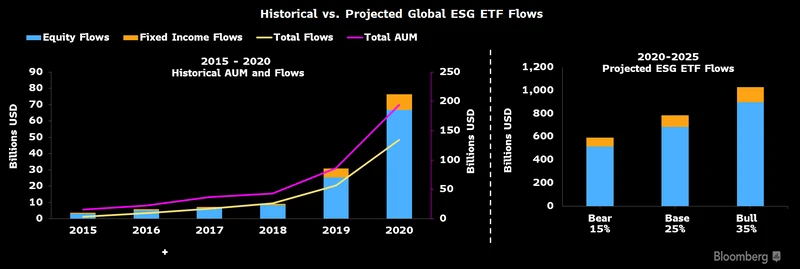
Despite economic uncertainties, ESG investments remain robust. According to Bloomberg, global ESG assets under management (AUM) are expected to reach $50 trillion by the end of 2025, accounting for over one-third of total global AUM. This growth is driven by increasing investor demand for sustainable assets, the rise of green bonds, and corporate commitments to achieving net-zero emissions.
For instance, renewable energy projects continue to dominate ESG portfolios. The International Energy Agency (IEA) reports that investments in solar and wind energy surged by 12% in 2024, reflecting a strong commitment to reducing global carbon emissions. Companies like Tesla and Orsted have expanded their renewable energy initiatives, contributing to the decarbonization of key industries.
2. The Impact of Trump’s Presidency on ESG Policies
Donald Trump’s presidency in 2025 introduces potential headwinds for ESG investments, particularly in the United States. Historically, Trump’s policies favored deregulation and traditional energy sectors, including oil and gas. If similar policies are implemented, the growth of ESG initiatives in the U.S. may face significant challenges.
Environmental Impact: During Trump’s first term, the U.S. withdrew from the Paris Climate Accord and rolled back over 100 environmental regulations. A return to such policies in 2025 could reduce federal support for renewable energy projects and weaken global climate initiatives. For example, the Inflation Reduction Act, which allocated $369 billion to climate programs under the Biden administration, may face scaling back, impacting clean energy investments.
Social and Governance Challenges: Corporate governance and social equity initiatives may also encounter reduced emphasis. Policies promoting diversity, inclusion, and labor rights could face rollbacks, potentially influencing investor perceptions of U.S.-based ESG assets. According to PwC, 81% of global investors prioritize mandatory ESG disclosures; reduced regulatory enforcement may erode confidence in American corporations.
3. Regional and Sectoral Resilience
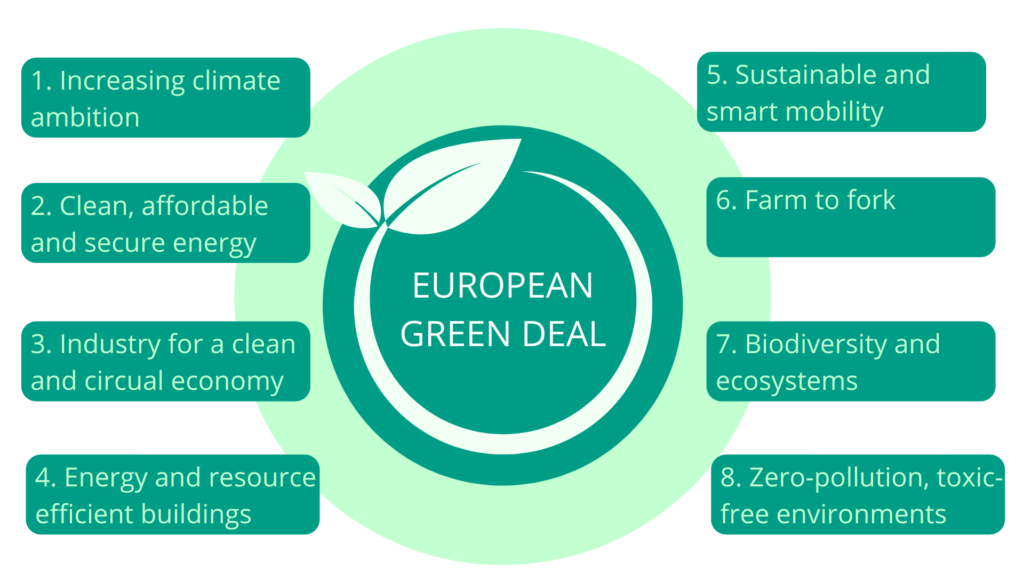
Despite potential U.S. policy shifts, other regions are expected to maintain their ESG momentum. The European Union (EU) remains a leader, with its Green Deal targeting carbon neutrality by 2050. Asia-Pacific markets are also emerging as strong players, with China and India increasing investments in renewable energy and sustainable infrastructure.
Sectors such as technology and healthcare are likely to thrive in ESG contexts. For example, Microsoft’s commitment to becoming carbon negative by 2030 continues to inspire global tech companies. Similarly, ESG-focused healthcare firms are addressing social challenges by expanding access to affordable treatments and vaccines.
4. Investor Strategies for 2025
Given the potential impact of Trump’s presidency, investors are likely to adopt diversified strategies to mitigate risks. These include:
- Geographical Diversification: Allocating funds to regions with stronger ESG commitments, such as the EU and Asia-Pacific.
- Thematic Investing: Focusing on high-growth areas like renewable energy, electric vehicles, and sustainable agriculture.
- Engagement: Collaborating with corporations to advocate for stronger ESG practices, even in challenging regulatory environments.
Conclusion
ESG projects and investments in 2025 remain a cornerstone of global sustainability efforts, with significant opportunities for growth and innovation. The return of Donald Trump to the U.S. presidency introduces uncertainties, particularly in environmental and social policy domains. Investors must navigate these challenges by adopting proactive strategies and leveraging opportunities in resilient markets and sectors. As the world transitions toward a more sustainable future, the balance between policy shifts and market-driven initiatives will shape the success of ESG efforts in the years to come.
-
What’s HOT and What’s NOT
As we enter 2025, investors are navigating a dynamic financial landscape shaped by technological advancements, sustainability imperatives, and shifting market sentiments. Here’s our overview of the sectors attracting investment and those facing caution.
Sectors Attracting Investment
Artificial Intelligence (AI) and Technology
AI continues to captivate investors, with significant capital inflows into AI startups and technologies. In 2024, U.S. venture capital funding surged by nearly 30% year-on-year to a record $209 billion, with AI companies securing 46.4% of this total, a substantial increase from less than 10% a decade ago.
Renewable Energy and Green Technology
Despite recent challenges, the renewable energy sector remains a focal point for investors prioritizing sustainability. Global venture investment in climate tech declined to $30 billion in 2024 from a peak of $48 billion in 2021. However, sectors like energy storage and AI-powered data centres experienced increased investment, indicating targeted interest within the green tech space.
Healthcare and Biotechnology
Advancements in gene editing, telemedicine, and wearable health technologies are attracting investor interest. The global biotechnology market is projected to grow at a compound annual growth rate (CAGR) of approximately 15% from 2025 onwards, driven by innovations in personalized medicine and healthcare delivery.
Sectors Facing Investor Caution
Traditional Energy and Fossil Fuels
There’s a discernible shift away from fossil fuel investments due to environmental concerns and the global transition towards cleaner energy sources. Investments in renewable energy have outperformed fossil fuel investments, with green energy stocks showing a 35% return in 2024 compared to 15% from traditional energy stocks.
UK Equities
UK-focused funds have experienced significant outflows, indicating waning investor confidence in the region’s market performance. UK funds witnessed a net withdrawal of £9.6 billion, contrasting with global equity fund inflows of £27.2 billion. This marks the ninth consecutive year of net outflows for UK funds.
Solar Energy Sector
Despite growth in solar electricity generation, the sector has faced financial challenges, leading to investor apprehension. Global solar electricity generation rose significantly in 2024; however, major solar firms experienced substantial share price declines, and related exchange-traded funds suffered losses.
It’s inspiring to see industry leaders taking bold, practical steps toward a more sustainable future. A 55% reduction in methane emissions and $100 billion invested in low-carbon technologies are achievements worth celebrating!
-
Key Themes for Seed Investments in 2025
The seed investment market remains robust, with global funding for seed-stage startups reaching approximately $20 billion in 2024, a 12% increase from the previous year. Despite economic uncertainties, the average seed round size grew to $2.5 million, reflecting investor confidence in high-potential startups. Notably, the number of seed deals increased by 8% year-over-year, signalling sustained interest in early-stage opportunities.
Investor caution persists due to macroeconomic pressures such as inflation and geopolitical instability. However, this cautious optimism is paired with a willingness to back startups demonstrating resilience, scalability, and alignment with current market trends.
Key Themes Driving Seed Investments
- AI-Driven Solutions
The global market for AI startups is expected to surpass $300 billion by 2025, with seed-stage investments accounting for a significant share. Startups leveraging AI to improve productivity, personalize customer experiences, and optimize operations are receiving strong backing, with nearly 25% of seed funding in 2024directed toward AI-driven ventures. - Climate Tech and Sustainability
Investments in climate tech reached $70 billion globally in 2024, with early-stage startups securing around $8 billion. Technologies addressing renewable energy, carbon capture, sustainable agriculture, and water conservation are drawing significant attention, driven by government incentives and corporate ESG commitments. - Healthtech Innovations
The global healthtech market is projected to grow to $600 billion by 2027, with seed-stage startups playing a crucial role in driving innovation. Areas such as telemedicine, mental health solutions, and biotech advancements attracted $3.5 billion in seed funding in 2024, up 15% from 2023. - Web3 and Decentralized Technologies
While the hype around cryptocurrencies has subsided, Web3 startups raised over $5 billion in 2024, with $1.2 billion allocated to seed-stage ventures. Key areas of focus include decentralized finance (DeFi), blockchain for supply chain, and tokenized assets, as regulatory clarity improves. - Diversity and Inclusion
Funds targeting diverse founders saw a 20% increase in commitments, with $2 billion allocated specifically for startups led by women and underrepresented minorities in 2024. This trend underscores the growing recognition of the market potential in diverse leadership. - Consumer Tech and Creator Economy
The creator economy, valued at $250 billion globally, saw $1.8 billion in seed investments last year. Innovations in social commerce, creator tools, and direct-to-consumer (DTC) models are driving new opportunities, with a focus on scalable models that foster community engagement.
Outlook for Founders
2025 offers a promising yet competitive environment for founders. Securing seed funding requires a clear value proposition, demonstrated traction, and a well-articulated path to profitability. Startups aligning with current investment themes and backed by compelling metrics, such as customer acquisition growth or early revenue, are better positioned to attract funding.
- AI-Driven Solutions
-
The Impact of the Trump Presidency on Sustainable Investing in 2025
Donald Trump’s returns to the White House in 2025 could have a significant impact on sustainable investing in the United States. Throughout his first term, Trump pursued policies that often favoured deregulation, the promotion of fossil fuel industries, and a more market-driven approach to environmental issues. With a second term, these themes could resurface, altering the landscape for investors focused on sustainability and social responsibility. Here’s a closer look at how the Trump administration’s policies could shape sustainable investing in 2025 and beyond.
Reduced Regulatory Pressure on Sustainability
During Trump’s first term, his administration made several moves to roll back environmental regulations, arguing that many of these policies were burdensome for businesses. This included withdrawing from the Paris Climate Agreement, reducing emissions standards, and relaxing regulations around energy production from fossil fuels. With a Trump returns to office in 2025, it is likely that he will continue to prioritize deregulation, especially in the energy sector.
For sustainable investing, this could mean less emphasis on enforcing ESG (Environmental, Social, and Governance) disclosures and sustainability metrics for companies. Investors who prioritize green and sustainable investments may find that the lack of regulatory pressure results in slower adoption of sustainable practices among U.S. companies. This could impact the pace at which sectors such as renewable energy, clean technology, and sustainable infrastructure are able to grow in the U.S.
Fossil Fuel Industry Promotion
Trump’s previous administration was characterized by strong support for the fossil fuel industry, including the promotion of coal, oil, and natural gas. Under a second term, this policy would likely continue, with a focus on energy independence and domestic production of fossil fuels. Such a stance could dampen the long-term growth of renewable energy markets in the U.S.
For sustainable investors, this could present challenges. A policy environment that favors fossil fuel companies may lead to diminished returns for investments in green energy sectors. However, it could also create opportunities for investors who choose to focus on traditional energy sectors, as government subsidies and incentives for fossil fuels could make these sectors more attractive in the short term.
Impact on Clean Energy Transition
While Trump’s stance on renewable energy was often more sceptical, the clean energy sector may still experience growth in 2025 due to global market trends and private sector innovation. Even if the Trump administration continues to minimize federal support for clean energy, investors may increasingly look to markets outside the U.S. for sustainable investments.
In 2025, countries like China and members of the European Union will likely continue to lead the charge in transitioning to green energy, regardless of U.S. policy. While the U.S. might lag in federal support, the private sector could play a critical role in advancing renewable energy technologies and innovation. Investors with a global outlook could focus on international companies involved in renewable energy, electric vehicles, or energy storage.
Potential for Corporate Responsibility to Shift
During Trump’s first term, the administration worked to reduce the scope of corporate social responsibility (CSR) requirements. A second Trump presidency may continue this trend, with a focus on deregulation that reduces pressure on corporations to address social and environmental issues comprehensively. The Securities and Exchange Commission (SEC) and other agencies might not push for stricter ESG reporting requirements, making it harder for investors to assess a company’s sustainability practices.
For sustainable investors, this could pose a challenge in terms of transparency. With fewer requirements for sustainability reporting, it might be difficult to evaluate which companies are genuinely pursuing sustainable practices and which are simply engaging in “greenwashing.” Investors who rely heavily on ESG ratings and disclosures may find that they need to seek out alternative methods to assess companies’ sustainability initiatives, potentially leading to less informed investment choices.
Tax and Incentive Policies for Sustainability
One area where Trump could have a more direct influence on sustainable investing is through tax policies. In his first term, Trump enacted significant tax cuts, and any future tax reform under his administration could favour businesses that produce traditional energy sources or offer limited incentives for green technologies. If incentives for renewable energy production or energy-efficient infrastructure are reduced, investments in these sectors may see less government support.
However, certain private-sector-driven green projects might still be attractive to investors, especially if they align with technological advancements or consumer demand for sustainable products and services. Tax incentives that encourage clean energy development and green infrastructure may be more limited under a Trump presidency, but opportunities could still emerge in sectors such as sustainable agriculture, electric vehicles, and green bonds.
Investor Activism and Corporate Accountability
While Trump’s first term was marked by a relatively hands-off approach to corporate governance in areas like environmental protection, investor activism may still play a role in driving sustainable practices. Shareholder demands for greater corporate responsibility on climate change and social issues may push companies to take action, even in the absence of strong government regulation.
However, under a Trump presidency, there may be a greater emphasis on “free market” solutions rather than government-mandated action. Corporate decisions may be driven more by shareholder interests and profit motives rather than pressure to meet social or environmental goals. Investors focusing on socially responsible investing (SRI) might find it more challenging to push for changes through formal channels and may need to explore alternative means of influence, such as direct engagement with companies or investing in funds that emphasize shareholder activism.
Global Context and U.S. Isolationism
Trump’s “America First” foreign policy stance during his first term suggested a move toward isolationism, which could influence U.S. participation in global sustainability initiatives. The United States may not play as central a role in shaping global climate agreements or sustainable investment frameworks, potentially reducing the influence of U.S. investors on international sustainability standards.
While U.S. investors might focus more on domestic opportunities in a Trump-led future, global sustainability trends—driven by other countries and multilateral organizations—may continue to create opportunities for sustainable investments outside the U.S. Renewable energy companies in Europe and Asia, for example, may attract attention as global demand for green technologies rises, regardless of the U.S.’s stance.
Conclusion
A second Trump presidency in 2025 would likely bring a continuation of policies that emphasize deregulation, energy independence, and a market-driven approach to sustainability. For sustainable investing, this could present both challenges and opportunities. While U.S. support for green energy and environmental regulations may remain limited, international trends, technological innovation, and investor activism may continue to fuel growth in sustainable sectors. Investors will need to adapt to the shifting political landscape and consider a more global approach to sustainable investing, seeking out markets and companies that align with their values despite domestic political shifts.