-
Leveraging IT for Competitive Advantage and Investment
In the modern business environment, Information Technology (IT) plays a pivotal role not only in driving operational efficiency and innovation but also in fostering investor confidence and attracting funding. Companies that invest strategically in IT tend to outperform their peers, experiencing higher growth, profitability, and resilience in the face of challenges. This, in turn, boosts their attractiveness to investors and lenders. Investors scrutinize IT strategies as a key indicator of a company’s future potential, risk management capabilities, and long-term sustainability.
Key IT Factors That Drive Business Success and Investor Confidence
- IT Maturity & Infrastructure A company’s IT infrastructure is a cornerstone of its ability to scale and innovate. Investors look for businesses that have developed robust IT systems, which are essential for supporting growth and minimizing operational risks.
- Scalable and Resilient Infrastructure: Companies that leverage scalable cloud solutions and implement efficient data management systems are better positioned to reduce costs and expand rapidly. For example, Amazon’s use of cloud infrastructure through Amazon Web Services (AWS) allowed it to scale quickly, contributing significantly to its financial success and making it a magnet for investors. According to McKinsey, firms that migrate to cloud solutions can reduce IT-related costs by up to 40%.
- Automation & Efficiency: The implementation of AI, machine learning, and automation technologies allows businesses to streamline operations, reduce costs, and enhance productivity. Companies such as UiPath, a leader in robotic process automation (RPA), have demonstrated how automation can lead to both operational efficiency and competitive advantage, resulting in strong investor backing and a successful IPO.
- IT Governance & Compliance: Investors seek companies with strong IT governance structures and risk management frameworks in place. Firms that adhere to industry standards such as ISO 27001 and ITIL show commitment to securing their operations and managing risks effectively, which boosts investor confidence.
- Innovation & Competitive Edge IT is a critical enabler of innovation, helping companies differentiate their products and services, enhance customer experiences, and remain adaptable in dynamic markets. Companies that harness technology to innovate are seen as more likely to capture market share and grow sustainably, attracting investors eager to back future-forward businesses.
- Product Differentiation: Companies that incorporate cutting-edge technologies such as artificial intelligence, blockchain, and the Internet of Things (IoT) can create unique products that stand out in competitive markets. Tesla, for example, has used AI and IoT to revolutionize the automotive industry with self-driving technology, significantly increasing its market valuation and boosting investor confidence.
- Digital Transformation: Businesses investing in digital transformation initiatives—whether through improving user interfaces, adopting cloud-based platforms, or modernizing internal processes—tend to achieve improved customer satisfaction and operational agility. Microsoft’s successful pivot to a cloud-first strategy has seen its market value rise sharply, with cloud revenue growing more than 30% year-over-year.
- Scalability & Market Agility: Investors favor companies with IT infrastructures that allow for quick scaling and adaptability. For instance, Netflix’s use of cloud-based services to scale its content delivery network during periods of high demand helped it maintain a competitive edge in the streaming market, while increasing investor trust and enhancing its growth trajectory.
- Cybersecurity & Risk Management As cyber threats become more frequent and sophisticated, robust cybersecurity measures are a top priority for investors and lenders. A company that demonstrates a proactive approach to managing digital risk can secure greater confidence from potential investors and lenders.
- Cybersecurity Frameworks: A well-established cybersecurity posture, including adherence to best practices and industry standards like ISO 27001 and Cyber Essentials, reduces the likelihood of cyberattacks and enhances investor trust. Businesses with solid cybersecurity frameworks mitigate the risk of costly breaches and regulatory penalties, as evidenced by the 2020 British Airways breach, which resulted in a £20 million fine for poor data protection.
- Compliance & Legal Protection: Investors also look for companies that comply with industry regulations such as GDPR, especially in sectors like finance and healthcare. Non-compliance can lead to regulatory fines and legal risks, which harm both a company’s reputation and financial stability. Companies with strong compliance records are more likely to secure funding at favorable terms.
- Data Protection & Incident Response Plans: Investors want assurance that a company can manage data breaches or IT disasters effectively. A well-established incident response plan and historical track record of addressing security issues proactively provide reassurance that the company can weather cyber threats without substantial financial setbacks.
The Role of IT in Investor Confidence and Lending
Investors and lenders are more inclined to support companies that demonstrate a robust IT strategy, as it indicates financial stability, growth potential, and operational resilience. IT investments have a direct correlation with financial success, as companies that adopt modern technologies can improve profitability and productivity while lowering costs.
- Investor Confidence: Companies that prioritize IT investments tend to attract higher levels of investor interest. The reason is simple: robust IT capabilities indicate the ability to manage operations efficiently, innovate, and respond to market shifts. For example, Apple, a company that has consistently invested in both hardware and software innovation, boasts a market capitalization of over $2.5 trillion, supported by a loyal investor base.
- Attracting Funding: Lenders, particularly venture capitalists (VCs) and private equity firms, favor companies that show a clear alignment between IT strategy and business objectives. Strong IT infrastructure, digital transformation, and cybersecurity protocols all point to a lower-risk investment, making companies with these attributes more likely to secure loans or funding at favorable terms. For instance, Salesforce, by focusing heavily on cloud solutions and customer relationship management (CRM) software, not only attracted significant early-stage investment but also grew into one of the world’s largest enterprise software companies.
In-House IT vs. Outsourcing to a Managed Service Provider (MSP)
Investor confidence is also affected by how a company manages its IT operations—whether in-house or through outsourcing to a Managed Service Provider (MSP).
In-House IT
- Pros:
- More control over IT operations and security measures.
- Custom solutions tailored specifically to business needs.
- Closer alignment with company strategy and operations.
- Cons:
- High operational costs related to recruitment, training, and retaining IT talent.
- Risk of limited expertise in specialized fields like cybersecurity or cloud management.
- Potential scalability issues as the company expands.
Managed Service Provider (MSP)
- Pros:
- Access to specialized expertise, including cybersecurity, cloud management, and IT support.
- Cost-effectiveness, especially for smaller companies that cannot afford large in-house teams.
- Scalability and flexibility to adjust IT services as the business grows.
- Cons:
- Reduced control over IT operations, potentially leading to misalignments with business needs.
- Dependence on the MSP’s reliability and responsiveness.
- Potential security risks if the MSP does not follow best practices or fails to meet SLAs (Service Level Agreements).
Market Statistics and Examples of IT-Driven Success
Numerous companies have demonstrated how strategic IT investments can drive both business success and investor confidence. For example, Google’s continued investment in machine learning and AI technologies has not only helped it dominate the digital advertising market but also cemented its position as one of the world’s most trusted brands for investors.
Similarly, Shopify’s aggressive push to enhance its e-commerce platform using advanced cloud services has resulted in a significant increase in revenue, attracting both venture capital investment and retail partners. Shopify’s stock price rose by over 170% from 2019 to 2021, thanks to its strong IT-driven market position.
On the other hand, companies that have not embraced IT innovation or lacked strong IT governance have faced challenges. Blockbuster, which failed to invest in digital transformation, ultimately lost its market leadership to Netflix, which utilized cloud technology and advanced data analytics to deliver superior customer experiences.
Conclusion
The integration of robust IT strategies is integral to both business success and the ability to attract investment. Companies that invest in scalable infrastructure, innovation, and cybersecurity often see higher growth, enhanced investor confidence, and greater success in securing funding. As IT continues to shape industries worldwide, businesses that effectively leverage these technologies will stand out as leaders in their sectors, making them highly attractive to investors and lenders alike.
#InformationTechnology #InvestorConfidence #BusinessSuccess #ITStrategy #DigitalTransformation #CloudComputing #Automation #AI #Cybersecurity #VentureCapital #InvestmentAttraction #TechInnovation #ScalableBusiness #InvestorAttraction #CloudServices #TechInvestment #BusinessGrowth #FinancialSuccess
- IT Maturity & Infrastructure A company’s IT infrastructure is a cornerstone of its ability to scale and innovate. Investors look for businesses that have developed robust IT systems, which are essential for supporting growth and minimizing operational risks.
-
Business Insurance
Introduction
Insurance is a fundamental part of risk management for businesses of all sizes. From start-ups to well-established enterprises, having the right coverage can mean the difference between financial stability and catastrophic loss. This article explores essential insurance policies, key market statistics, and real-world examples where a lack of coverage led to disaster. It also delves into the importance of cyber insurance, particularly in light of regulatory frameworks like Cyber Essentials, NIS2, and the role of the Information Commissioner’s Office (ICO) in enforcing compliance.
Key Types of Business Insurance
- Business Interruption Insurance
- Covers loss of income due to unforeseen disruptions like natural disasters, fires, or supply chain failures.
- Example: During the COVID-19 pandemic, many businesses without business interruption insurance faced significant financial distress due to lockdowns.
- Cyber Insurance
- Protects against financial losses from cyberattacks, data breaches, and ransomware incidents.
- Given the rise in cybercrime, cyber insurance has become a necessity, particularly for businesses handling sensitive customer data.
- Directors & Officers (D&O) Insurance
- Protects company executives from personal financial liability due to decisions made in their professional roles.
- Example: In cases like the collapse of Carillion, where directors were scrutinized for their roles in mismanagement, D&O insurance can help cover legal defense costs.
- Professional Indemnity Insurance
- Covers legal costs and claims for damages due to inadequate advice, services, or designs provided to clients.
- Essential for consultants, law firms, and IT professionals.
- Employers’ Liability Insurance (Legal Requirement in the UK)
- Mandatory for businesses with employees to cover claims for work-related injuries or illnesses.
- Public Liability Insurance
- Covers claims from third parties for injuries or property damage caused by business activities.
The Growing Importance of Cyber Insurance
Cyber threats have escalated significantly, with UK businesses facing increased ransomware attacks, phishing scams, and data breaches. According to the UK Government’s 2023 Cyber Security Breaches Survey:
- 32% of businesses reported a cyber breach or attack in the past 12 months.
- The average cost of a cyber breach for medium and large businesses was over £19,400.
UK Government Cybersecurity Regulations
To enhance cybersecurity resilience, the UK government has introduced several frameworks:
Cyber Essentials
- A government-backed certification that helps businesses implement basic cybersecurity measures.
- Reduces the risk of common cyber threats by up to 80%.
- Essential for companies bidding for government contracts.
Network and Information Systems Directive 2 (NIS2)
- Expands the scope of cybersecurity regulations to more industries, including healthcare, finance, and digital services.
- Introduces stricter security measures and penalties for non-compliance.
- Companies must implement risk management policies and report cybersecurity incidents to regulators.
The Role of the ICO and Data Protection Fines
The Information Commissioner’s Office (ICO) enforces data protection laws under the UK GDPR and the Data Protection Act 2018. Companies failing to protect customer data can face severe penalties.
Notable ICO Fines:
- British Airways (2019): Fined £20 million after hackers stole the personal and financial details of 400,000 customers.
- Marriott International (2020): Fined £18.4 million for failing to protect customer data in a breach affecting 339 million guests.
- Ticketmaster UK (2020): Fined £1.25 million for failing to prevent a cyberattack that compromised payment details.
Businesses without cyber insurance often struggle to manage the financial and reputational damage resulting from such breaches. Cyber insurance policies can cover:
- Incident response costs (forensic investigations, legal fees, and PR expenses).
- Ransomware payments.
- Compensation claims from affected customers.
The Risks of Not Having Adequate Insurance
Several businesses have suffered catastrophic losses due to inadequate insurance coverage. Some examples include:
- Thomas Cook (2019): The company’s collapse resulted in massive financial losses, partly due to insufficient D&O coverage for legal claims.
- Sony (2011): A cyberattack on PlayStation Network led to the exposure of 77 million user accounts. Sony initially lacked cyber insurance, leading to estimated losses exceeding $170 million.
Conclusion
Businesses, whether start-ups or established enterprises, must prioritize the right insurance coverage to mitigate risks. Business interruption, cyber, and D&O insurance are particularly crucial in today’s landscape of cyber threats and regulatory scrutiny. With frameworks like Cyber Essentials and NIS2 in place, businesses must stay compliant to avoid hefty ICO fines and reputational damage.
#BusinessInsurance #CyberSecurity #ICOFines #CyberEssentials #NIS2 #RiskManagement
- Business Interruption Insurance
-
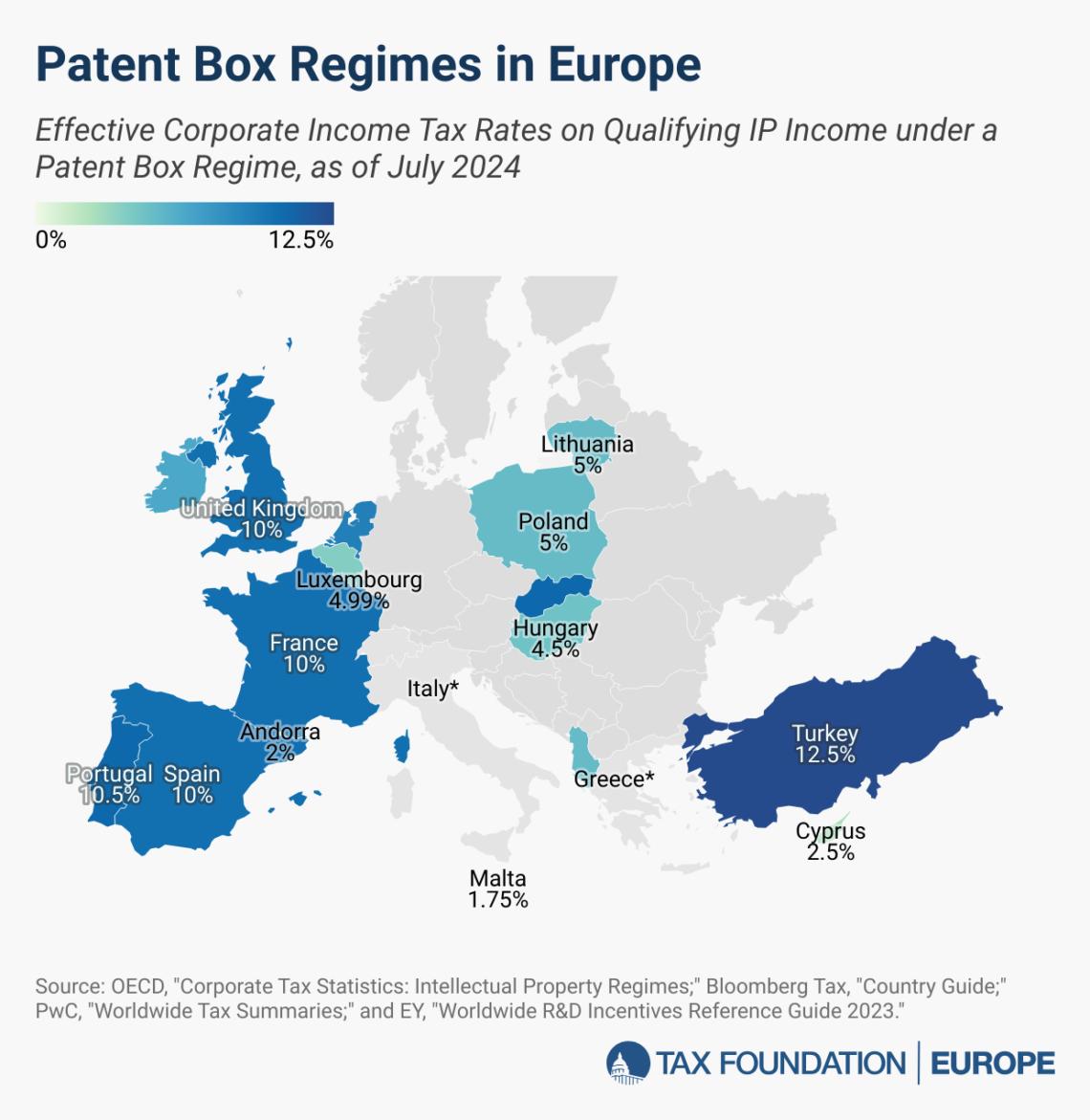
The UK Patent Box Tax Scheme: Keeping Intellectual Property on Home Soil
The UK Patent Box is a tax incentive designed to encourage companies to keep and commercialise their intellectual property (IP) within the UK. By offering a reduced corporation tax rate of 10% on qualifying profits derived from patented inventions, the scheme aims to make the UK an attractive hub for innovation and investment. But how does it work, and what are the alternatives?
How the UK Patent Box Works
The Patent Box scheme applies to companies that own or exclusively license patents granted by the UK Intellectual Property Office (IPO), the European Patent Office (EPO), or certain other qualifying jurisdictions. To benefit, businesses must:
- Be liable for UK Corporation Tax
- Have developed the patented innovation or made significant improvements to it
- Elect into the scheme within two years from the end of the relevant accounting period
Once approved, profits directly attributable to the patented technology benefit from a 10% corporation tax rate, significantly lower than the UK’s 25% main rate.
Why the UK Encourages Companies to Retain IP Onshore
Many multinational corporations shift IP offshore to jurisdictions with lower tax rates, but the UK government has designed incentives like the Patent Box and R&D Tax Credits to keep IP within the UK. The primary reasons include:
1. Tax Revenue Retention
When companies register and exploit their IP within the UK, the government collects corporate tax, employment tax, and VAT associated with commercial activities. Keeping IP onshore ensures that profits remain within the UK tax net.
2. Innovation and Job Creation
A strong domestic IP ecosystem leads to greater R&D investment, job creation, and knowledge transfer between universities, businesses, and research institutions.
3. Compliance with OECD BEPS Rules
The OECD’s Base Erosion and Profit Shifting (BEPS) project discourages profit shifting to tax havens. The UK Patent Box is designed to comply with these regulations while maintaining a competitive tax structure.
Alternative UK Incentives for IP-Driven Businesses
In addition to the Patent Box, UK businesses can benefit from:
1. R&D Tax Credits
- SMEs can claim up to 186% of qualifying R&D expenditure as a tax deduction.
- Large companies can use the R&D Expenditure Credit (RDEC), offering a 20% credit on eligible R&D spending.
2. Enterprise Investment Scheme (EIS) & Seed Enterprise Investment Scheme (SEIS)
- EIS: Investors receive 30% income tax relief on investments in qualifying high-growth UK companies.
- SEIS: Offers 50% tax relief on investments in very early-stage businesses.
3. Innovate UK Grants
- Direct funding for companies developing cutting-edge technology and innovation in sectors like biotech, AI, and clean energy.
The Offshore IP Strategy: Pros & Cons
Some companies establish offshore IP holding structures in low-tax jurisdictions like Ireland, Luxembourg, or the Cayman Islands. While this can offer financial benefits, there are key considerations:
✅ Pros of Offshore IP Holding
- Lower Tax Rates: Some jurisdictions offer 0%-12.5% corporate tax rates.
- Global IP Management: Allows businesses to centralise IP across multiple markets.
- Flexibility in Licensing & Royalties: Potential for cross-border licensing to reduce tax burdens.
❌ Cons of Offshore IP Holding
- OECD & HMRC Scrutiny: BEPS rules mean that IP must be substantively developed in the offshore jurisdiction, making it harder to justify tax advantages.
- Loss of UK Patent Box Benefits: UK companies using offshore IP structures may lose access to the 10% Patent Box rate.
- Repatriation Costs: Bringing IP back to the UK later may result in capital gains tax and legal restructuring costs.
Conclusion: Should You Use the UK Patent Box or Go Offshore?
For most UK companies, keeping IP onshore and leveraging Patent Box, R&D tax relief, and UK grants offers a secure and compliant tax strategy. While offshore IP structures can provide savings, they come with increased regulatory risks and potential reputational damage.
By carefully assessing long-term tax efficiency, compliance obligations, and commercial strategy, businesses can determine the best approach to managing their intellectual property.
#UKPatentBox #IntellectualProperty #TaxIncentives #Innovation #BusinessGrowth #RDTaxCredits #UKBusiness #IPTax #OffshoreTax #Startups #TechInvesting
-
Understanding Intellectual Property (IP): Patents, Trade Secrets, Copyright, and Trademarks
Intellectual Property (IP) is an umbrella term for various legal protections granted to individuals or organizations for their creations, ideas, and innovations. The purpose of IP is to foster innovation, reward creators, and protect the original works that contribute to economic and cultural development. IP can take several forms, each with its unique characteristics, including patents, trade secrets, copyrights, and trademarks. In this article, we’ll explore each form of IP, compare and contrast them, and delve into the costs of defending, setting them up, and the considerations of simply using them.
1. Patents: Protecting Innovations
A patent is a legal right granted to an inventor, giving them exclusive rights to a particular invention or process for a limited time, typically 20 years from the application date. This prevents others from making, using, or selling the patented invention without permission.
Costs of Setting Up and Defending:
- Setting Up: Filing a patent can be expensive, particularly if you hire a patent attorney for a complex invention. Filing fees can range from a few hundred to several thousand dollars, depending on the jurisdiction. Patents must also be thoroughly researched to ensure they are novel and non-obvious, a task that can take time and incur costs.
- Defending: If someone infringes on your patent, defending it can be costly, often requiring litigation. Patent lawsuits can run into the hundreds of thousands of dollars, even for relatively straightforward cases.
Using Patents:
- Using a patented invention without permission is illegal and can result in significant fines and damages. However, acquiring a patent license from the holder allows for lawful use, though licensing agreements can be expensive.
2. Trade Secrets: Confidential Business Information
A trade secret refers to valuable business information that is kept confidential to maintain a competitive edge. This could include formulas, practices, designs, or processes. The famous Coca-Cola formula is one of the most well-known examples of a trade secret. The validity of a trade secret isn’t tied to a specific period of time, unlike patents or copyrights. Instead, a trade secret remains legally protected as long as it fulfills certain conditions:
- It provides a competitive advantage because it is not generally known to the public.
- Reasonable measures are taken to keep it secret, such as confidentiality agreements or restricted access.
If the secret is disclosed or independently discovered, the protection ends. This indefinite nature of trade secrets can be both an advantage and a risk compared to other intellectual property protections.
Costs of Setting Up and Defending:
- Setting Up: The cost of setting up a trade secret is relatively low since there are no official filings or registrations required. The focus is on internal controls and non-disclosure agreements (NDAs) to protect the secret.
- Defending: Defending a trade secret can be complicated if it is disclosed or stolen. Legal costs are often linked to proving that the secret was protected adequately and that the disclosure was unlawful. This could involve expensive litigation if the case escalates.
Using Trade Secrets:
- Using a trade secret without permission is a breach of trust, and if discovered, it could result in legal action. However, trade secrets can be lawfully used if obtained through legitimate means, such as reverse engineering.
3. Copyright: Protecting Creative Works
Copyright protects original works of authorship, such as literary, musical, and artistic creations. Copyright automatically applies once the work is created and fixed in a tangible medium of expression (e.g., written on paper, recorded on video).
Costs of Setting Up and Defending:
- Setting Up: Copyright registration is optional in many jurisdictions but can be beneficial in legal disputes. The cost of registering a copyright is relatively low, often under $100.
- Defending: Defending a copyright is typically less expensive than patents but can still incur significant legal fees. Copyright infringement cases can lead to damages, and enforcement may require costly legal action.
Using Copyright:
- Using copyrighted works without permission is considered infringement. To use a copyrighted work, one typically needs to obtain permission, often in the form of a license.
4. Trademarks: Protecting Brand Identity
A trademark is a symbol, word, or phrase legally registered to represent a company or product. Trademarks protect brands and distinguish goods or services in the marketplace.
Costs of Setting Up and Defending:
- Setting Up: Trademark registration is relatively affordable, with costs ranging from a few hundred dollars to over a thousand, depending on the complexity and number of jurisdictions. You can file for a trademark on your own, though it’s often recommended to consult an attorney.
- Defending: Enforcing a trademark involves monitoring potential infringements and taking legal action when necessary. While trademark defense is often less expensive than patent defense, it can still lead to significant legal costs, especially if the case escalates.
Using Trademarks:
- Using a trademark without authorization constitutes infringement. However, it’s possible to use a trademarked term or logo in certain contexts, such as comparative advertising, as long as it doesn’t cause confusion or imply endorsement.
Comparing the Costs of Setting Up vs. Using IP
IP Type Setting Up Costs Defending Costs Using Without Permission Patents Expensive (filing fees, attorney fees) High (patent litigation can be costly) Illegal, could lead to lawsuits and damages Trade Secrets Low (no registration required) Moderate to high (depends on legal action needed) Illegal if acquired through improper means Copyrights Low to moderate (registration fees) Moderate (copyright infringement lawsuits) Illegal, requires permission or license Trademarks Moderate (registration fees) Moderate (costs for enforcing trademark rights) Illegal, requires permission or license Conclusion: Should You Protect or Use IP?
Whether you should protect your intellectual property or simply use someone else’s IP depends on your business model and goals. Setting up IP protection—such as patents or trademarks—can provide exclusive rights, preventing others from capitalizing on your ideas and innovations. However, the costs of setting up and defending IP can be substantial, especially for small businesses or startups.
On the other hand, using existing IP by obtaining licenses or permissions can be more cost-effective in the short term, but it may limit your ability to control the use of your ideas or brand identity. Businesses must weigh the cost of establishing and defending their IP against the risk of legal consequences for unauthorized use.
Final Thoughts
The decision to protect, use, or license intellectual property should be made carefully, with consideration of the associated costs and legal risks. Understanding the nuances of patents, trade secrets, copyrights, and trademarks is essential for any business or individual navigating the modern economy.
#IntellectualProperty #Patents #Trademarks #Copyright #TradeSecrets #IPProtection #BusinessStrategy #Innovation #LegalRisks #IntellectualPropertyLawAttach
-
Family Offices
Family offices are private wealth management entities established to oversee the financial and personal affairs of ultra-high-net-worth individuals (UHNWIs) and their families. They offer a bespoke range of services, including investment management, tax planning, estate management, philanthropy coordination, and even lifestyle services. The primary goal of a family office is to preserve and grow the wealth of a family across generations while meeting their unique needs and values.
There are two main types of family offices:
- Single-Family Offices (SFOs): These serve one family exclusively, providing fully personalized services. They are often created by families with significant wealth and require considerable resources to operate.
- Multi-Family Offices (MFOs): These manage the wealth of multiple families, allowing for cost-sharing and access to a broader range of expertise. MFOs are ideal for families who seek comprehensive services but do not have the scale or desire to establish their own office.
Current State of Family Office Funds
The number of family offices globally has surged, with an estimated 8,030 single-family offices in 2024, projected to reach 10,720 by 2030. This growth reflects the increasing wealth among UHNWIs and the demand for tailored financial solutions.
Family offices have become more professionalized in recent years. Over half have established formal investment committees and clearly defined policy statements. Governance practices are improving, with 70% implementing performance review processes. Many offices are also separating operations from family businesses to enhance efficiency and focus on core objectives.
Investment Trends and Market Statistics
Family offices continue to lean heavily into private markets, particularly private equity, which remains the most favored asset class. On average, family offices allocate 22% of their portfolios to private equity, followed by unlisted real estate and venture capital. Approximately 89% of family offices invest in venture capital, reflecting a growing appetite for high-growth opportunities.
Impact investing, particularly in sectors like renewable energy, healthcare, and education, is gaining momentum. Nearly 35% of family offices have integrated environmental, social, and governance (ESG) factors into their investment decisions, aligning with global sustainability goals.
Key market data includes:
- Private Equity: Over 50% of family offices increased their allocations to private equity in 2024-25.
- Real Estate: 33% boosted investments in unlisted real estate, focusing on sustainable and commercial properties.
- Venture Capital: Technology and AI-focused venture funds have been top recipients, with 60% of family offices citing strong opportunities in these areas.
Notable Named Examples
- Walton Enterprises LLC: The family office of the Walton family, owners of Walmart, manages assets exceeding $225 billion. It focuses on diversified investments, including private equity and philanthropy.
- Cascade Investment: Established by Bill Gates, this family office manages over $170 billion in assets, with significant investments in real estate, energy, and technology.
- Bezos Expeditions: Jeff Bezos’ family office oversees investments in venture capital, including high-profile startups like Airbnb and Uber, as well as philanthropic initiatives.
- Pontegadea Inversiones: Owned by Amancio Ortega, founder of Zara, this family office manages over $54 billion, with a focus on real estate and retail investments.
- Soros Family Office: Founded by George Soros, this office manages approximately $30 billion, with a strong emphasis on impact investing and global markets.
Forecast for 2025 and Beyond
The outlook for family office investments is bright, with key trends shaping the future:
- Technological Innovation: AI and digital transformation are transforming the investment landscape. Family offices are leveraging AI to optimize portfolios, manage risk, and improve decision-making.
- Sustainability and Impact Investing: ESG principles are increasingly embedded in strategies, with families prioritizing investments that align with their values and contribute to global challenges such as climate change.
- Diversification: Alternative investments, including private equity, venture capital, and sustainable real estate, will see growing allocations as families look to balance risk and reward.
- Global Opportunities: Emerging markets, particularly in Asia and Latin America, offer diversification benefits and significant growth potential. Family offices are increasingly targeting these regions for investment.
Conclusion
Family offices are redefining wealth management through professionalization, diversification, and a commitment to innovation. By aligning portfolios with technological advances, sustainability goals, and global growth opportunities, they are well-positioned to navigate the complexities of the financial landscape in 2025 and beyond. Their influence in shaping future investment trends will undoubtedly remain strong as they continue to set the benchmark for personalized, multi-generational wealth management.
-
The Current State and Future of the UK Construction Industry
The UK construction industry is currently navigating a challenging landscape, marked by a mix of setbacks and opportunities. As of early 2025, the sector has experienced a slowdown, with construction output hitting a five-year low in February. This decline has been driven by weak demand, rising borrowing costs, and a lack of new projects to replace completed ones. Residential construction has been particularly hard-hit, with activity decreasing for the fifth consecutive month. However, commercial construction has shown resilience, maintaining relatively stable levels of activity.
The industry is also grappling with persistent issues such as labour shortages and rising costs. An estimated 225,000 new construction workers are needed by 2027 to meet demand. Additionally, outdated financial models and payment delays have created cash flow challenges, particularly for small and medium-sized enterprises. These challenges underscore the need for systemic reform, with calls for streamlined payment processes and incentives to attract skilled workers into the industry.
Investment Outlook
Despite these hurdles, the outlook for investment in the UK construction industry is cautiously optimistic. Increased government funding is expected to play a pivotal role in driving growth, particularly in infrastructure and renewable energy projects. The sector is also set to benefit from strategic fiscal changes, which will unlock significant public sector and infrastructure projects over the next two years. Private sector investment is anticipated to rise as consumer and business confidence improves, with an 8% boost in project starts forecast for 2025 and a further 10% increase in 2026.
Several high-profile projects are on the horizon, including expansions in the transport and renewable energy sectors. For instance, large-scale wind farms, solar energy installations, and improvements to rail networks are expected to draw significant investments. These projects align with the UK’s commitment to achieving net-zero carbon emissions by 2050, further bolstering confidence in the sector’s long-term prospects.
Digital transformation and sustainability initiatives are also attracting investment. Technologies like AI, robotics, and Building Information Modelling (BIM) are reshaping the industry, making it more efficient and appealing to investors. Additionally, the focus on renewable energy and sustainable construction practices is expected to drive further funding into the sector. The embrace of modern methods of construction (MMC), such as modular building, is another area where investment is expected to grow, offering faster project delivery times and lower environmental impact.
Future Prospects
Looking ahead, the forecast for the UK construction industry is cautiously optimistic. Growth is expected to resume from 2025, supported by falling interest rates and increased investments in infrastructure and commercial projects. The Construction Skills Network predicts that an additional 251,500 workers will be required by 2028 to meet the anticipated growth.
Efforts to address labour shortages are beginning to show promise, with apprenticeships and training programs receiving increased funding. The government and industry bodies are collaborating to attract a younger, more diverse workforce to ensure the sector can meet future demands. Additionally, regulatory adjustments aimed at simplifying planning processes are anticipated to accelerate project approvals and boost investment.
However, challenges such as labour shortages, regulatory compliance, and material costs will need to be addressed to fully capitalize on these opportunities. The industry must also adapt to changing market conditions, such as the increasing importance of energy-efficient buildings and the integration of smart technologies into construction.
In summary, while the UK construction industry faces significant challenges, its resilience and adaptability offer hope for a brighter future. With strategic investments, a focus on innovation, and concerted efforts to resolve existing issues, the sector is poised to overcome its current difficulties and achieve sustainable growth in the coming years. The next decade could mark a transformative period for construction in the UK, with innovation and sustainability leading the way.
#UKConstruction #ConstructionIndustry #FutureOfConstruction #SustainableBuilding #InfrastructureInvestment #DigitalTransformation #ModernConstruction #RenewableEnergyProjects #ConstructionInnovation #BuildBritain #ConstructionGrowth #SmartBuilding #UKInfrastructure #NetZeroGoals #ConstructionResilience
-
Sustainable Business and Investment Availability
Sustainability has evolved from a peripheral concern to a fundamental driver of corporate strategy and global economic policies. Businesses are increasingly embedding environmental, social, and governance (ESG) principles into their operations, while sustainable investments are experiencing exponential growth, reshaping financial markets worldwide. Let’s explore the current landscape.
The Integration of Sustainability in Business
Businesses are under rising pressure to adopt sustainable practices due to regulatory requirements, stakeholder expectations, and consumer preferences. Over 75% of global executives report significant progress toward achieving their sustainability goals, with a majority incorporating sustainability metrics into their key performance indicators. Many companies now view sustainability as a competitive advantage, enhancing their brand reputation and opening new revenue streams.
Unilever has committed to achieving net-zero emissions across its value chain by 2039 and is actively reducing plastic waste in its product packaging. Tesla has positioned itself at the forefront of renewable energy solutions, boosting demand for electric vehicles (EVs) and investing in battery recycling technologies.
Accelerated Growth in Sustainable Investments
The financial sector is undergoing a green transformation, with sustainable finance becoming a cornerstone of investment strategies. The global sustainable investment market surpassed $7 trillion in 2023, reflecting investors’ growing commitment to funding environmentally responsible projects. Green bonds, a leading instrument in this market, achieved an issuance of $872 billion in 2023, a figure expected to rise further in 2024.
Notable examples of sustainable finance include:
- Microsoft’s issuance of a $1 billion sustainability bond to fund carbon reduction initiatives.
- Apple’s green bond programs aimed at developing renewable energy projects and making its supply chain carbon-neutral by 2030.
Sustainability-linked loans are also gaining popularity. These loans tie borrowing terms to a company’s ESG performance, incentivizing positive environmental and social outcomes. For instance, Danone secured a €2 billion sustainability-linked credit facility, rewarding its commitment to decarbonization and water conservation.
Market Statistics Show Rapid Progress
Statistics highlight the rapid integration of sustainable practices and investments across industries:
- Renewable energy capacity reached 3.8 terawatts by 2023, a threefold increase since 2010. Solar and wind energy dominate this growth, accounting for over 80% of new installations.
- Global investments in energy transition technologies, including hydrogen and battery storage, exceeded $1.7 trillion in 2023, marking a 20% annual growth rate.
- A study by Morningstar revealed that ESG-focused funds outperformed their traditional counterparts in 2023, attracting record inflows from investors prioritizing long-term sustainability.
Challenges Affecting Progress
Challenges remain. Greenwashing—misleading claims about a company’s sustainability efforts—continues to undermine trust. Additionally, inconsistencies in ESG metrics and reporting standards complicate comparisons across organizations, making it harder for investors to assess genuine sustainability performance.
Regulatory bodies are addressing these concerns. The European Union’s Sustainable Finance Disclosure Regulation (SFDR) and similar frameworks aim to enhance transparency and combat greenwashing. Collaborative initiatives, such as the Task Force on Climate-related Financial Disclosures (TCFD), are promoting uniform reporting guidelines, fostering accountability across industries.
The Road Ahead: Opportunities Abound
Sustainability is reshaping the global economic landscape, offering vast opportunities for businesses and investors alike. Companies that adopt sustainable practices are positioned to benefit from heightened consumer trust, operational efficiencies, and access to capital. Meanwhile, investors stand to gain from higher returns on sustainable assets and the long-term resilience of ESG-aligned portfolios.
As sustainability continues to grow in importance, businesses must proactively embrace these practices to remain relevant and competitive. By leveraging innovative financial products and committing to transparent ESG reporting, they can contribute to a healthier planet while unlocking new pathways for growth.
#Sustainability #GreenBusiness #ESGInvesting #SustainableFinance #GreenEconomy #ClimateAction #RenewableEnergy #EcoFriendly #ImpactInvesting #FutureOfWork #NetZero #CircularEconomy #EnergyTransition #PlanetPositive
-
What’s Hot in Sustainable Investing
Introduction
Sustainable investing has become a major focus for investors worldwide, driven by growing awareness of environmental, social, and governance (ESG) issues. This approach not only aims to generate financial returns but also to create positive impacts on society and the environment. Let’s explore the latest trends, market analysis statistics, and examples of sustainable investments, along with the impacts from the Trump government and EU responses.
Current Trends in Sustainable Investing
- Climate-Transition Investing: Investors are increasingly focusing on companies that are actively transitioning to low-carbon operations. This includes investments in renewable energy, energy efficiency, and carbon capture technologies. Companies that are leading the way in reducing their carbon footprints are attracting significant investor interest.
- Sustainable Bonds: The issuance of sustainable bonds is expected to reach USD 1 trillion by 2025, driven by lower interest rates and increased demand for financing green projects. These bonds are used to fund initiatives that have positive environmental and social impacts, such as clean energy projects, sustainable agriculture, and affordable housing.
- Biodiversity Finance: Investments aimed at preserving biodiversity are gaining traction. This includes funding for conservation projects, sustainable agriculture, and nature-based solutions. Biodiversity finance is becoming a critical component of sustainable investing as investors recognize the importance of protecting ecosystems.
- AI and ESG Integration: Artificial intelligence is being rapidly adopted to enhance ESG data analysis, helping investors make more informed decisions and manage risks effectively. AI can process vast amounts of data to identify ESG risks and opportunities, providing investors with valuable insights.
Impacts from the Trump Government
During President Trump’s administration, several policies significantly impacted sustainable investing:
- Climate Policy Changes: Trump’s withdrawal from the Paris Agreement and rollback of over 100 environmental regulations shifted focus away from renewable energy and ESG investments. Despite these federal policy changes, private capital continued to drive global climate funding, with renewable energy investments remaining economically viable.
- Deregulation and Traditional Energy Support: The Trump administration’s support for fossil fuel industries and deregulation efforts attracted investments back into carbon-based sectors like coal, oil, and natural gas. This shift posed challenges for ESG-focused funds, although consumer and investor demand for sustainability remained resilient.
- Impact on Multilateral Development Banks (MDBs): Trump’s stance on international agreements raised concerns about the performance of MDB bonds, which rely heavily on US support. However, MDB bonds continued to offer appealing yields and strong fundamentals, mitigating some of the impacts of reduced US government backing.
EU Responses
The European Union has taken proactive steps to support sustainable investing:
- Platform on Sustainable Finance: The EU’s Platform on Sustainable Finance monitors capital flows to sustainable investments, leveraging EU taxonomy data to guide policymaking and support a clean and competitive transition. This framework helps track the progress of large European corporates in aligning their capital expenditures with sustainability goals.
- Savings and Investment Union (SIU): The European Commission’s proposal for a European Savings and Investments Union aims to mobilize private savings to support sustainable finance. This initiative includes measures to enhance financial literacy, scale impact investment products, and unlock pension fund capital for sustainable projects.
- Omnibus Package: The EU’s Omnibus reforms reinforce Europe’s attractiveness as a hub for sustainable investment and industrial innovation. These regulatory changes contrast with the deregulatory tendencies observed in other major economies, particularly the United States.
Market Analysis
The sustainable investment market is experiencing significant growth:
- Global Market Size: The sustainable investment market was valued at approximately USD 6.718 billion in 2024 and is expected to reach USD 42.935 billion by 2033, growing at a compound annual growth rate (CAGR) of 22.9%. This rapid growth reflects the increasing demand for investments that align with ESG principles.
- Assets Under Management (AUM): Sustainable equity and fixed-income funds reached a record 7.9% of global total AUM in the first half of 2023. This indicates a strong investor preference for sustainable investment options.
- US Market: In the United States, sustainable investments account for $52.5 trillion in assets under management, with $6.5 trillion explicitly marketed as ESG or sustainability-focused investments. This highlights the significant role of the US market in driving the growth of sustainable investing.
Examples of Sustainable Investments
- ESG-Focused Mutual Funds: These funds invest in companies that meet specific environmental, social, and governance criteria. For example, the Vanguard ESG U.S. Stock ETF allows investors to diversify their portfolios while adhering to ethical standards. These funds are designed to provide competitive returns while promoting sustainable business practices.
- Green Bonds: Green bonds are used to finance projects that have positive environmental impacts. These can include renewable energy installations, energy efficiency improvements, and sustainable water management. Green bonds offer investors a way to support environmental initiatives while earning returns.
- Thematic ETFs: Thematic ETFs focus on specific sustainability themes, such as clean energy, water conservation, or social justice. These funds allow investors to target their investments towards areas they are passionate about. For example, the iShares Global Clean Energy ETF invests in companies that produce energy from renewable sources.
- Eco-Friendly Real Estate: Investing in eco-friendly real estate involves funding properties that incorporate sustainable building practices, energy-efficient systems, and green certifications. These investments not only reduce environmental impact but also offer long-term financial benefits through energy savings and increased property values.
- Social Impact Bonds: These bonds fund projects that aim to achieve positive social outcomes, such as improving education, healthcare, or community development. Social impact bonds provide a way for investors to support initiatives that address critical social issues.
Sustainable investing is rapidly evolving, with new trends and opportunities emerging to address global challenges. The market is poised for substantial growth, driven by increased investor demand, regulatory support, and technological advancements. By investing in sustainable assets, investors can achieve financial returns while contributing to a more sustainable and equitable world.
#SustainableInvesting #ESG #ClimateAction #GreenBonds #BiodiversityFinance #AI #EcoFriendly #SocialImpact #MarketAnalysis #InvestmentTrends
-
The Growing Market for Recycled Clothing
Introduction
The fashion industry is undergoing a significant transformation as consumers and businesses alike increasingly prioritize sustainability. One of the most promising trends in this shift is the growing market for recycled clothing. This movement not only addresses environmental concerns but also offers economic benefits and innovative opportunities for companies like Loopi.
The global clothing recycling market is experiencing robust growth. In 2023, the market was valued at approximately USD 6.49 billion and is projected to reach USD 18.27 billion by 2033, reflecting a compound annual growth rate (CAGR) of 10.9%. This growth is driven by rising awareness about the circular economy and the environmental impact of textile waste.
Sustainable fashion, which includes recycled clothing, is gaining traction. The market share of sustainable apparel is expected to reach over 6% by 2026. This trend is supported by increasing consumer demand for eco-friendly products and the adoption of sustainable practices by major fashion brands.
Environmental Impact
One of the significant benefits of recycled clothing is the reduction in microplastics released into the environment. Microplastics, tiny plastic particles less than 5mm in size, are a major pollutant originating from synthetic fibres used in clothing. These particles are released during the manufacturing, washing, and disposal of garments, eventually making their way into waterways and ecosystems.
Microplastics Statistics:
- Global Release: Approximately 5.6 million tonnes of synthetic microfibers have been released from apparel washing between 1950 and 2016, with half of this amount emitted in the last 10 years
- Laundry Impact: Up to 18 million microfibers may be released from a 13lb load of synthetic fabric laundry
- Cigarette Butts: Global cigarette butt pollution releases roughly 300,000 tons of microfibers into the environment annually
Recycled clothing helps mitigate this issue by reducing the demand for virgin synthetic fibers. Studies have shown that recycled polyester, for example, releases fewer microplastics compared to virgin polyester. This reduction in microplastic pollution is crucial for protecting marine life and maintaining the health of our ecosystems.
Companies Leading the Way
Loopi is a notable example of a company making strides in the recycled clothing market. Founded in 2019, Loopi (https://loopi.com) operates a second-hand apparel marketplace that offers a wide range of clothing items, enabling customers to make sustainable fashion choices while contributing to environmental conservation
Organizations like Cleaner Seas (https://www.cleaner-seas.com/) play a crucial role in addressing marine pollution and promoting sustainable practices. Established in 1998, Cleaner Seas focuses on a wide range of marine environmental issues, including the reduction of plastic pollution and the promotion of renewable energy in ocean conservation. Their efforts help raise awareness and drive action towards cleaner oceans, complementing the goals of the recycled clothing market.
Future Outlook
The future of the recycled clothing market looks promising, with several key trends driving its growth:
- Increased Consumer Awareness: As consumers become more aware of the environmental impact of their choices, the demand for recycled clothing is expected to rise.
- Technological Advancements: Innovations in recycling technologies are making it easier and more cost-effective to produce high-quality recycled textiles.
- Regulatory Support: Governments and organizations are increasingly implementing policies and incentives to promote sustainable fashion practices.
The growing market for recycled clothing represents a significant shift towards sustainability in the fashion industry. Companies like Loopi and Cleaner Seas are leading the way by offering eco-friendly alternatives that reduce environmental impact and promote circular economy principles. With continued consumer support, technological advancements, and regulatory backing, the future of recycled clothing looks bright, promising a cleaner and more sustainable world.
-
The impacts of geopolitical change on ESG and BNG in the UK and on investor confidence.
Introduction
Geopolitical changes, such as the US’s shifting focus on international policies, have significant implications for Environmental, Social, and Governance (ESG) practices and Biodiversity Net Gain (BNG) initiatives in the UK. These changes can influence regulatory frameworks, investment flows, and corporate strategies, shaping the future of sustainability efforts in the UK.
Geopolitical Shifts and ESG
The US has seen a growing political divide over ESG practices, with some factions pushing back against what they term “woke capitalism.” This resistance is often driven by entrenched fossil fuel interests and industries fearing disruption
As the US re-focuses its geopolitical strategies, this anti-ESG sentiment could impact global capital markets and influence international regulatory standards. In contrast, the European Union (EU) continues to advance stringent sustainability regulations, maintaining momentum towards net-zero goals.
The UK’s alignment with EU standards, despite Brexit, suggests that it will continue to prioritize robust ESG frameworks. However, the UK’s approach may need to adapt to the evolving geopolitical landscape, balancing between US and EU influences.
Impacts on Biodiversity Net Gain (BNG)
BNG, a statutory requirement in the UK since 2024, mandates that new developments achieve at least a 10% net gain in biodiversity. This initiative aims to leave the natural environment in a better state post-development. The geopolitical climate can affect BNG in several ways:
- Investment and Funding:
- Geopolitical stability influences investor confidence. A stable geopolitical environment encourages investments in sustainable projects, including BNG initiatives. Conversely, geopolitical tensions can lead to market volatility, affecting funding for biodiversity projects2.
- Regulatory Alignment:
- The UK’s BNG policies are influenced by broader international environmental agreements and standards. Changes in US policies could lead to shifts in global environmental priorities, potentially impacting the UK’s regulatory approach to BNG.
- Corporate Strategies:
- Companies operating in the UK may need to navigate differing ESG expectations from US and EU markets. This could lead to a more complex compliance landscape, requiring businesses to adopt flexible and adaptive strategies to meet varied regulatory requirements.
Examples of Geopolitical Changes Impacting ESG
- US Withdrawal from Climate Agreements:
- The US’s withdrawal from the Paris Agreement under the Trump administration in 2017 and again in 2025 has had significant repercussions2. This move undermined global climate cooperation, potentially encouraging other nations to delay or reduce their own commitments. It also created uncertainty in global markets, affecting investment in green technologies and sustainability initiatives.
- Executive Orders on Energy Policy:
- Recent executive orders in the US, such as those declaring a national energy emergency and prioritizing fossil fuel production, have rolled back renewable energy incentives and suspended key environmental regulations1. These actions can weaken global efforts to combat climate change and shift focus away from sustainable practices.
- Impact on Global Climate Finance:
- The US is a key contributor to the $100 billion global climate fund pledged to support developing nations. Withdrawal from climate agreements and reduced federal contributions can limit funding for climate resilience projects worldwide2.
Impact on Investor Confidence
Geopolitical changes significantly impact investor confidence in ESG and BNG businesses:
- Market Volatility:
- Geopolitical tensions disrupt supply chains and heighten market volatility, complicating corporate sustainability efforts1. Investors may become cautious, reducing their willingness to fund ESG and BNG initiatives due to perceived risks.
- Financing Constraints:
- Increased geopolitical risks can lead to financing constraints for ESG-focused businesses2. Investors may demand higher returns to compensate for the perceived risks, making it more challenging for companies to secure funding for sustainability projects.
- Government Subsidies and Support:
- Government subsidies and support can mitigate the negative effects of geopolitical risks on ESG performance2. Increased investor attention and government incentives can help alleviate financing constraints, encouraging investment in ESG and BNG initiatives.
Future Outlook
The future of ESG and BNG in the UK will likely be shaped by several key factors:
- Continued Regulatory Development:
- The UK is expected to continue strengthening its ESG and BNG regulations, aligning with EU standards while considering global geopolitical dynamics. This will involve refining metrics for measuring biodiversity gains and enhancing enforcement mechanisms.
- Increased Private Sector Engagement:
- As awareness of environmental issues grows, more businesses are likely to integrate ESG and BNG into their core strategies. This trend will be driven by both regulatory requirements and market demand for sustainable practices.
- Technological Advancements:
- Innovations in technology, such as AI and automation, will play a crucial role in advancing ESG and BNG initiatives. These technologies can improve data collection, monitoring, and reporting, making it easier for companies to comply with regulations and achieve sustainability goals.
- Global Collaboration:
- The UK will need to engage in international collaborations to address global environmental challenges. This includes participating in international agreements and working with other nations to promote sustainable development.
Conclusion
Geopolitical changes, particularly those stemming from the US’s shifting focus, have significant implications for ESG and BNG in the UK. While these changes present challenges, they also offer opportunities for the UK to strengthen its commitment to sustainability. By continuing to develop robust regulatory frameworks, engaging the private sector, leveraging technological advancements, and fostering global collaboration, the UK can navigate the complexities of the geopolitical landscape and lead the way in sustainable development.
- Investment and Funding: